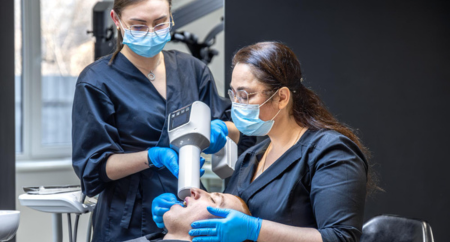
Treatment under general anesthesia involves performing dental procedures while the patient is fully unconscious, ensuring they feel no pain or anxiety during the process. This approach is often used for more extensive dental work or when a to obtain in a traditional dental setting. child's cooperation is difficult
General anesthesia can be a beneficial solution for several groups of children who face challenges in traditional dental settings. It is particularly helpful for uncooperative children who find it difficult to remain still for extended periods. Children who experience significant dental anxiety or fear may also benefit, as the use of general anesthesia ensures a calm and stress-free experience.
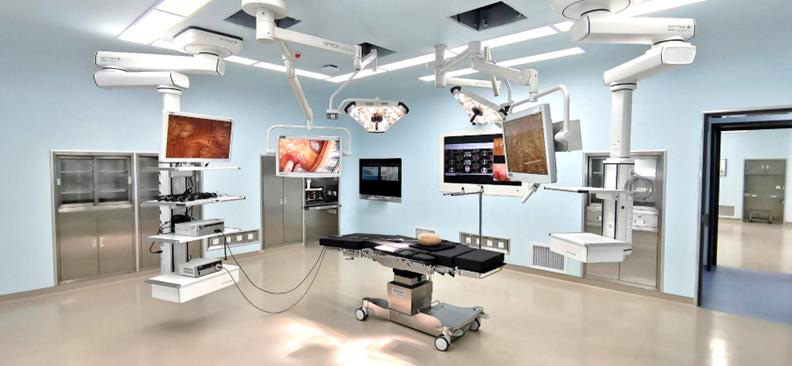
At IDS Dentistry, we take a comprehensive and specialised approach to dental care under general anesthesia, ensuring each child's safety and comfort throughout the process. Our experienced pediatric dental team, including trained anesthesiologists, delivers expert care, backed by state-of-the-art equipment and monitoring systems to ensure optimal safety. Every treatment plan is uniquely tailored to the child's specific needs, with a focus on creating a smooth and successful experience.
Treatment under general anesthesia involves performing dental procedures while the patient is fully asleep, ensuring they feel no pain or discomfort during the treatment.
This option is ideal for uncooperative or fearful children, individuals with special needs, or patients requiring extensive dental work who may not tolerate procedures under local anesthesia.
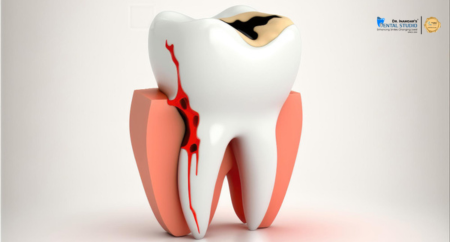
Procedures such as cavity fillings, extractions, crowns, and root canals can be safely performed under general anesthesia, especially when multiple treatments are needed.
Yes, general anesthesia is safe when administered by a trained anesthesiologist in a controlled setting. The medical team monitors the patient closely throughout the procedure to ensure safety.
Your dentist will provide preoperative instructions, including fasting guidelines and any necessary medical evaluations. It’s important to follow these instructions carefully to ensure a safe procedure.
Most children recover from general anesthesia within a few hours, but they may feel drowsy or disoriented. Full recovery typically occurs within 24 hours.
While general anesthesia is generally safe, there are minor risks, such as nausea, dizziness, or a sore throat. Serious complications are rare and minimized by careful monitoring.
Talk to your child about what to expect, using simple, reassuring language. Bring a favorite toy or blanket for comfort and be calm and supportive on the day of the procedure.
After the procedure, your child should rest and avoid strenuous activities. Follow your dentist’s instructions for managing discomfort and ensuring proper healing.
Your dentist will assess your child’s needs and recommend general anesthesia if it’s the best option for their comfort and successful treatment.