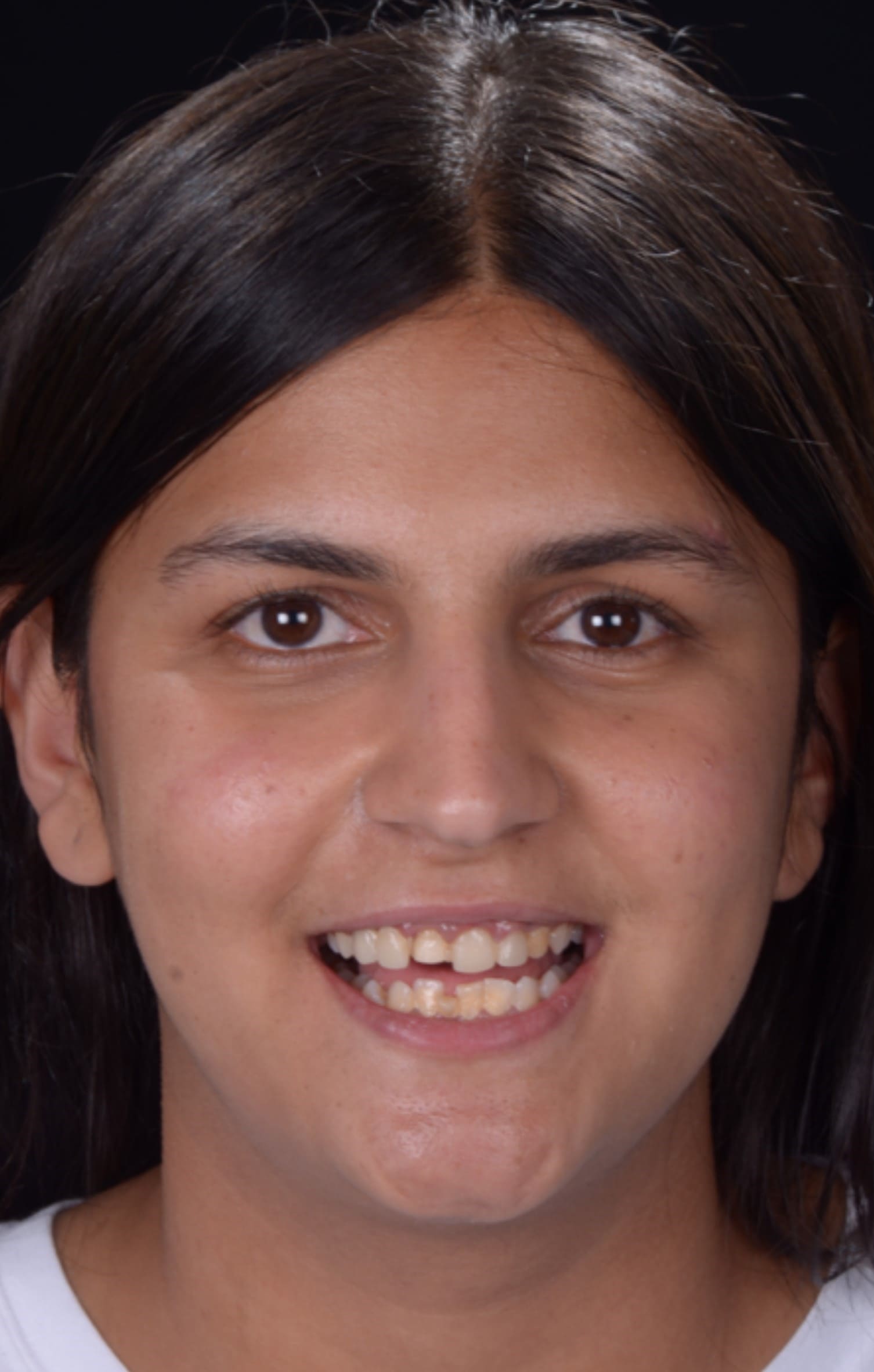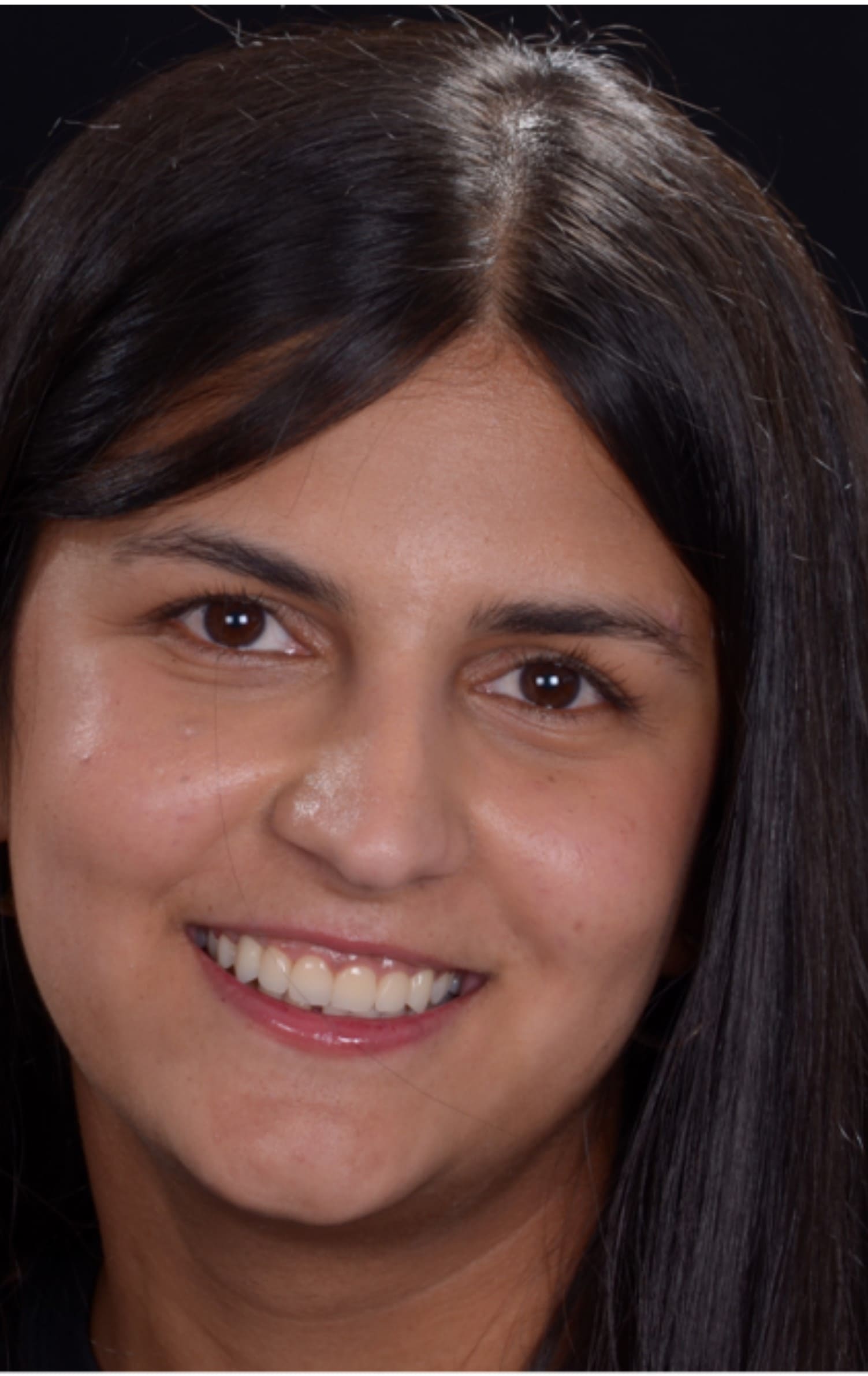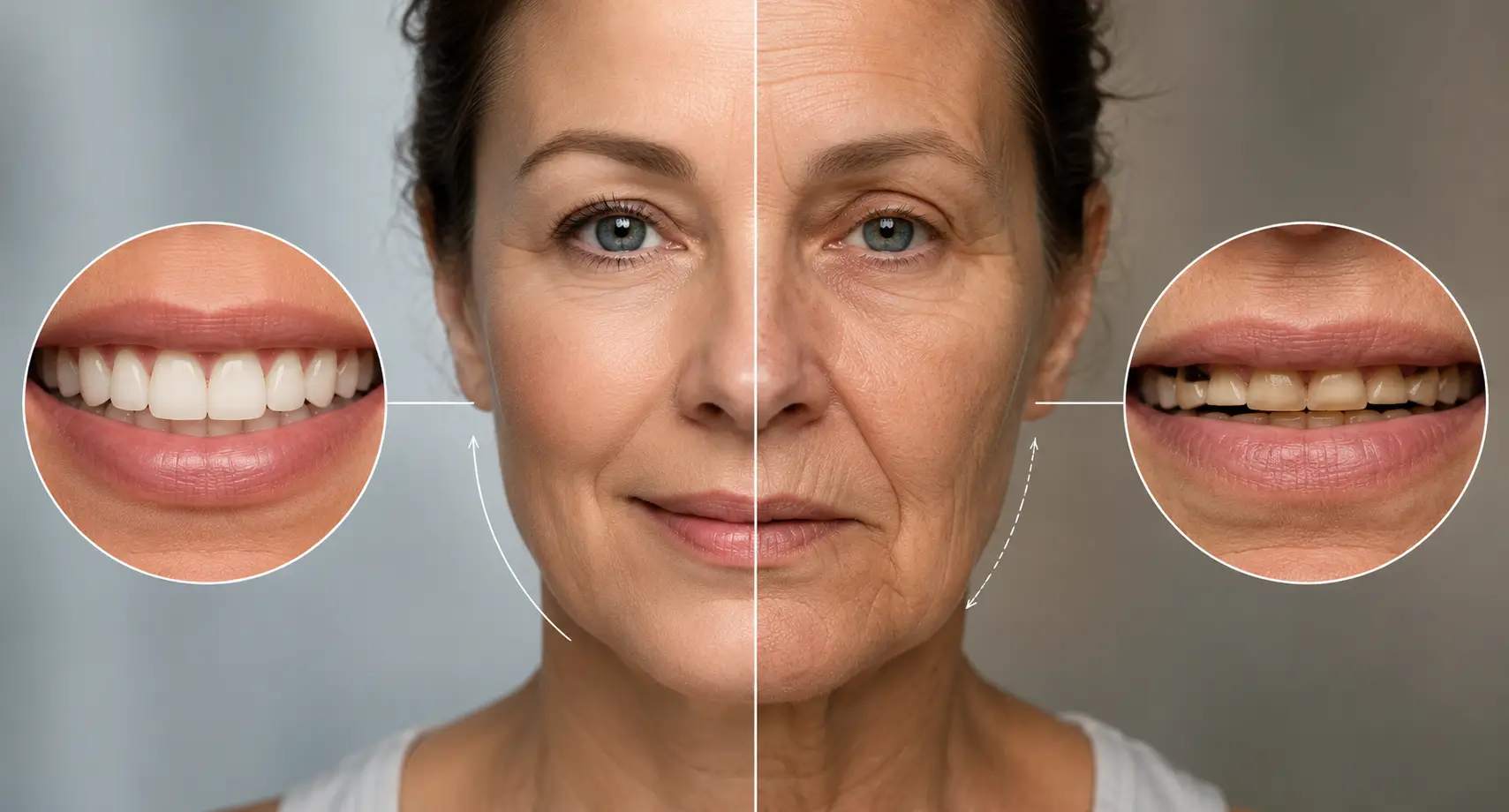


When people think about facial ageing, they usually blame wrinkles, loose skin, or the natural ageing process. Few realize that the gradual loss of tooth structure can also change facial proportions over time. According to Dr. Aslam Inamdar, many patients seek cosmetic treatment because they feel their smile looks older or their face appears more tired, without realizing that worn teeth and changes in bite function may be contributing to those changes. In many cases, restoring the teeth is not only about improving the smile. It is also about restoring facial support and long term function.
Teeth naturally lose small amounts of enamel over time. However, grinding, acid erosion, or bite imbalance can accelerate this process. Dr. Aslam Inamdar explains that these changes usually happen so gradually that patients rarely notice them until they compare old photographs or begin experiencing problems such as shorter teeth, a collapsed smile, or jaw discomfort. By that stage, the underlying changes may have been developing for years.
As teeth become shorter, patients may notice:
These changes often happen gradually, making them difficult to recognize. Dr. Aslam Inamdar notes that one of the reasons tooth wear is frequently overlooked is because it progresses slowly. Patients adapt to these gradual changes over many years, which is why they often seek treatment only after noticing visible changes in their smile or facial appearance.
Beyond altering appearance, worn teeth can gradually affect how the upper and lower teeth come together. As the bite changes, the surrounding muscles and jaw joints may begin compensating, sometimes leading to symptoms that patients do not immediately associate with their teeth. Identifying these changes early often allows for simpler and more conservative treatment.
Early intervention helps preserve both function and appearance.
According to Dr. Aslam Inamdar, modern digital dentistry is valuable not because it makes treatment faster, but because it allows clinicians to evaluate the relationship between facial proportions, bite function, and smile design before treatment begins. This comprehensive understanding helps ensure that restorations support both appearance and long term function rather than focusing on teeth alone.
At Dr. Inamdar's Dental Studio, treatment is planned using facially driven principles to restore both aesthetics and function.
Modern digital workflows allow clinicians to plan treatment with greater precision, improve communication with patients, reduce unnecessary adjustments, and create outcomes that are both predictable and natural looking. The objective is not simply to restore worn teeth. It is to restore facial balance, improve bite function, and create outcomes that appear natural while remaining stable for years to come.
Yes. Tooth wear often develops gradually and may not cause pain in its early stages. However, as teeth become shorter over time, they can reduce lip support and alter facial proportions, making the lower face appear shorter and the smile less visible. According to Dr. Aslam Inamdar, many patients are surprised to learn that facial ageing is not always related to the skin alone. Gradual tooth wear can reduce lip support and change facial proportions even before pain develops, making the face appear older over time.
Lost tooth enamel cannot regenerate naturally. However, modern restorative dentistry can rebuild worn teeth and restore their shape, function, and appearance. Depending on the extent of wear, treatment may include bonding, ceramic restorations, crowns, or comprehensive full mouth rehabilitation. The most appropriate approach is determined after a detailed clinical evaluation of the teeth, bite, and facial support.
Dentists evaluate several factors, including the amount of tooth wear, bite relationships, facial proportions, lip support, jaw function, and the patient's overall oral health. Digital technologies such as intraoral scanning, three dimensional imaging, and facially driven treatment planning can provide a comprehensive understanding of how worn teeth may be affecting both appearance and function. This detailed assessment helps determine whether tooth wear is contributing to facial changes and guides the most appropriate treatment plan.
A youthful smile is not simply about white teeth. It is about restoring the balance between teeth, bite, lips, and facial proportions. As digital dentistry continues to evolve, clinicians are increasingly recognizing that successful treatment extends beyond restoring damaged teeth. According to Dr. Aslam Inamdar, preserving facial harmony, maintaining healthy bite function, and planning treatment around the individual patient are becoming the defining principles of modern rehabilitation. The goal is not simply to make teeth look younger, but to help patients regain comfort, confidence, and natural facial balance for the long term.

 Kurla Clinic
F12, 1st floor, Orchid Metropolis, S.G. Barve Marg, Opp. Shubh Sagar Restaurant, Near Kurla Railway Station, Kurla (E), Mumbai - 400024
Get Directions
South MumbaiShop No. 10, A Block, Sheriar Baug, Ramchandra Bhat Marg, Opp. Gate no. 2, J J Hospital, Mumbai - 400009
Get Directions