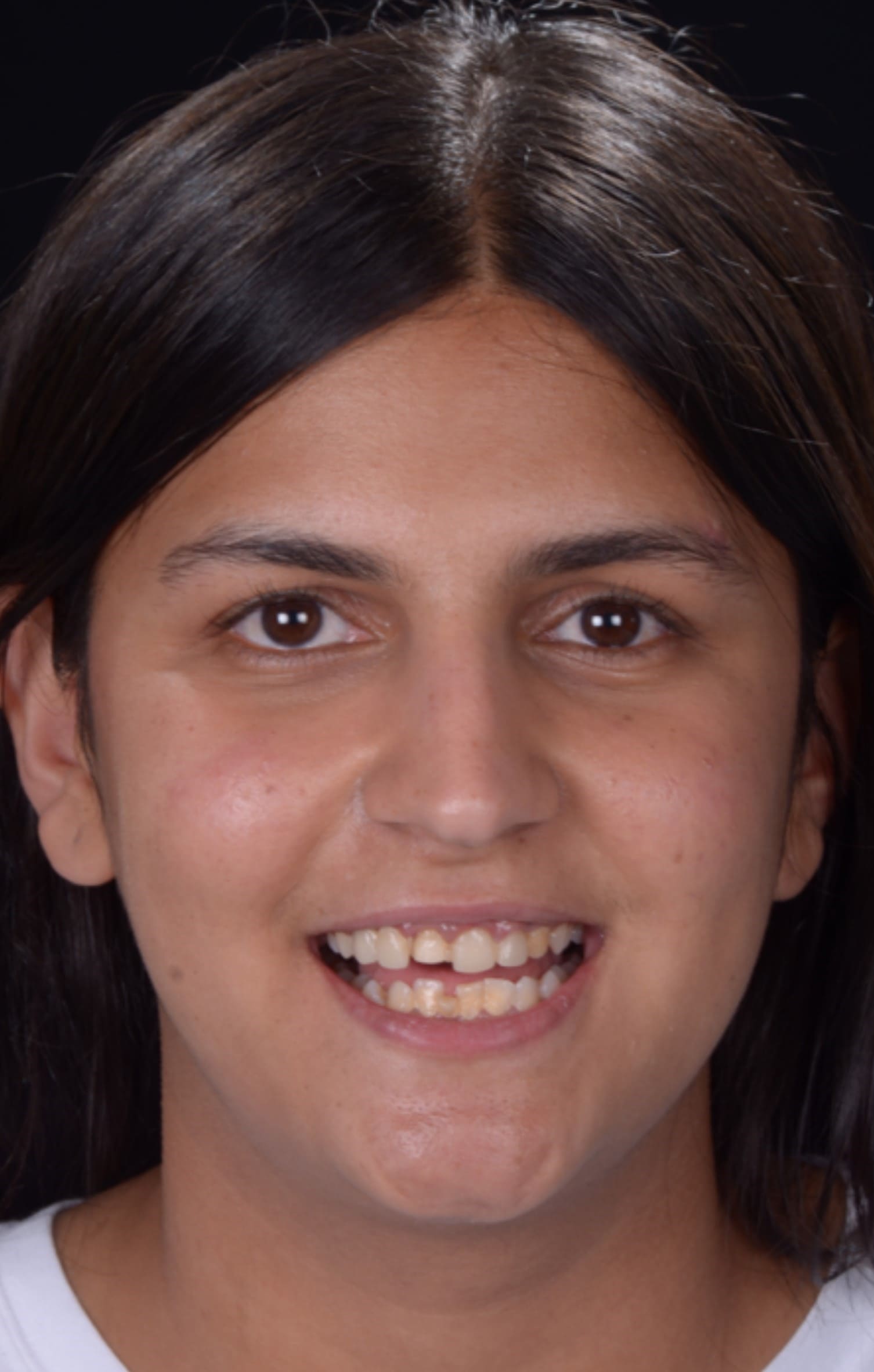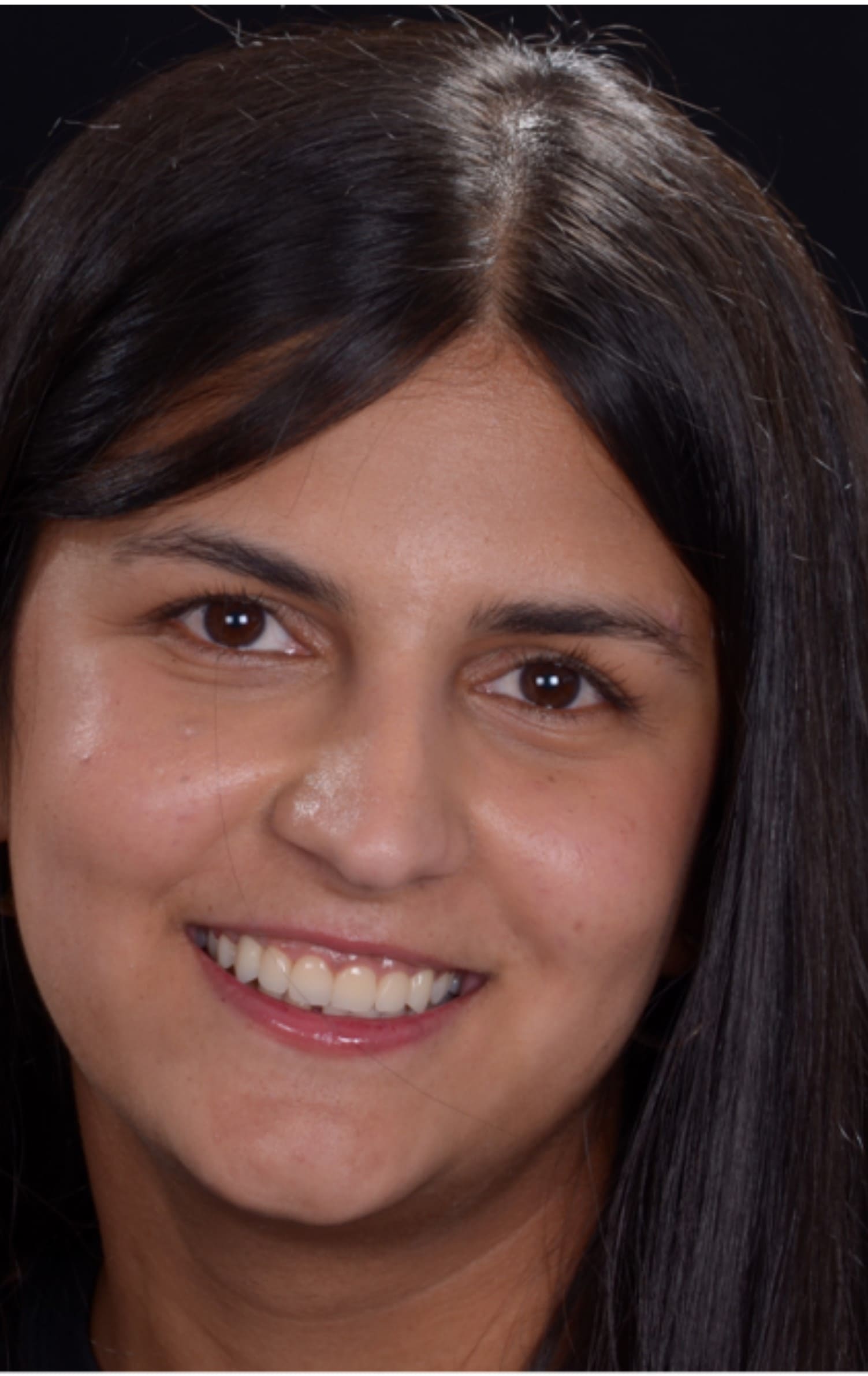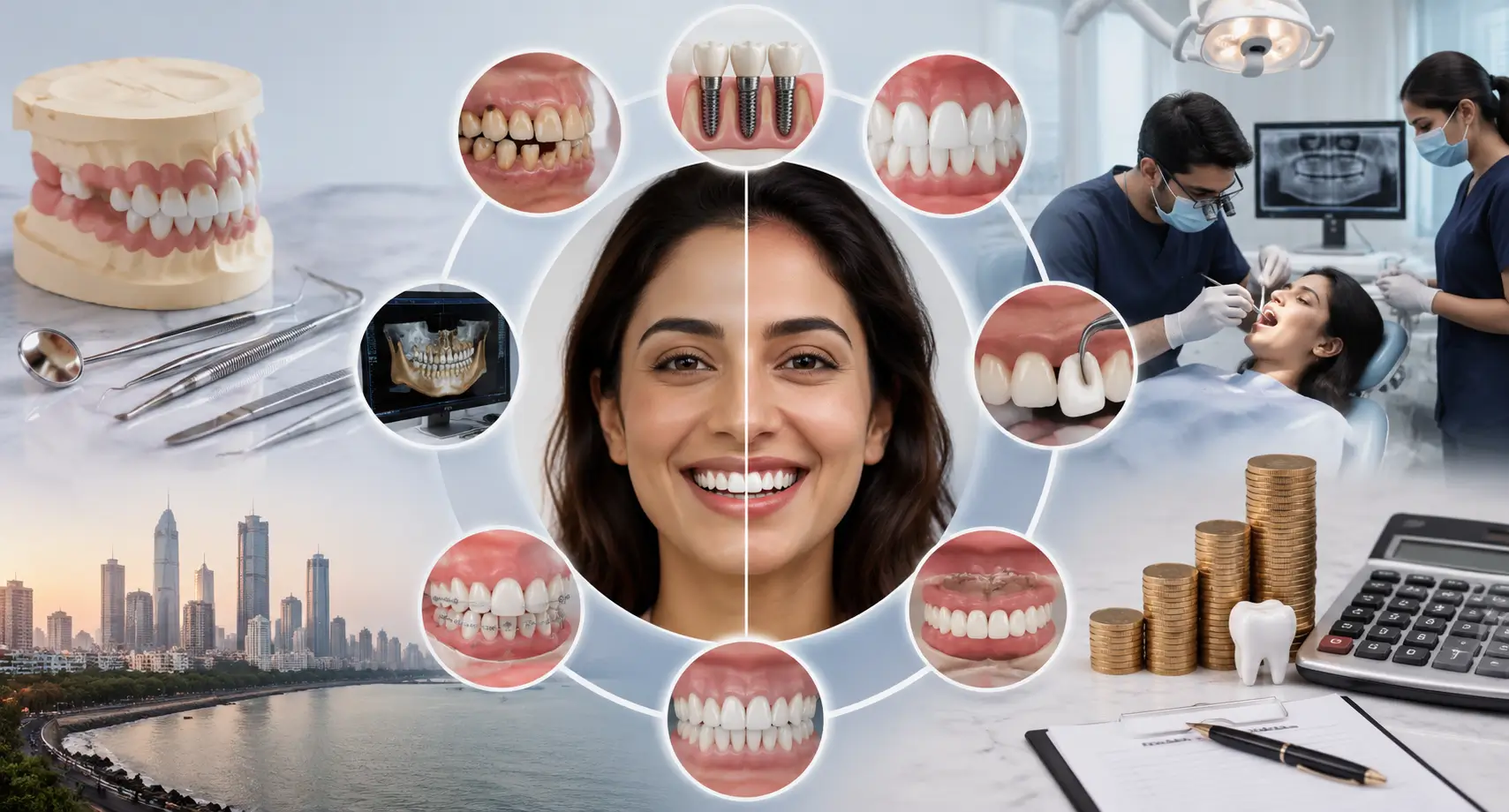


Something is not working right in the mouth. Maybe teeth have started shifting, chewing has become uncomfortable, or years of small dental fixes have added up to a bite that never feels stable. This is usually when the phrase "full mouth rehabilitation" comes up, along with the two questions that matter most: what will it actually involve, and what will it cost.
This guide breaks down exactly what drives that cost, the treatment process, the timeline, and the questions worth asking before choosing a dentist in Mumbai.
Full mouth rehabilitation is a planned sequence of dental treatments that restores every tooth, along with the bite, gums, and jaw alignment, as one connected system. It is not one procedure. It is a coordinated plan built around how the whole mouth functions together.
This matters because dental problems rarely stay isolated. A collapsed bite puts uneven pressure on the remaining teeth. Bone loss in one area weakens the structure supporting nearby teeth. Treating one tooth at a time, without addressing what caused the damage, is often why the same problems keep returning every few years.
Full mouth rehabilitation is not the answer to every dental problem, and it is worth checking against a short list before assuming it applies. The signs that usually point toward it:
Age is not a deciding factor. Patients in their 30s and patients in their 70s both undergo this treatment. What decides it is the condition of the teeth, gums, and bone, confirmed through an actual examination.
At Dr. Inamdar's Dental Studio, every rehabilitation plan begins with 3D Facially Driven Dentistry: treatment mapped against the whole face, not just the teeth, using digital scans processed at DentMatrix Lab, Asia's first dedicated 3D treatment planning centre. This is what allows the plan below to be sequenced precisely instead of adjusted case by case as problems appear.
Step 1: Diagnosis and Digital Planning
A CBCT 3D scan, bite analysis, and detailed photography map out exactly what is damaged and why. This step decides everything that follows. Skipping it, or accepting a quote without it, is the most common reason rehabilitation plans go wrong later.
Step 2: Disease Control
Gum disease is treated, infected or failing teeth are removed, and any active infection is cleared. No restorative work begins until the mouth is stable enough to build on.
Step 3: Structural Restoration
Missing teeth are replaced through implants, bone grafting where needed, or fixed prosthetics. Full arch cases are typically restored using All-on-4 or All-on-6 implant protocols at this stage.
Step 4: Bite Rebuild
Crowns, onlays, or full-coverage restorations rebuild a stable, balanced bite. This is usually the most technically demanding phase, since a poorly designed bite is the single biggest cause of long-term failure.
Step 5: Aesthetic Finishing
Veneers, shade matching, gum contouring, and final prosthesis fitting complete the result. By now the structural work is finished. This phase is refinement, not repair.
There is no single timeline, and any dentist offering one before an examination should be questioned. As a general guide:
Patients travelling for treatment, whether from another city or another country, can be evaluated for Same-Day and 1-2 Day Dentistry protocols, where advanced 3D planning allows several procedures to be completed within a single visit or a short travel window.
Full mouth rehabilitation in Mumbai costs between INR 80,000 and INR 15,00,000 or more. The exact figure depends on whether the treatment involves crowns and bridges on existing teeth, implants on part of the arch, or a full-arch implant rehabilitation with bone grafting.
Cost varies this widely because the treatment itself varies this widely. Crowns on natural teeth are priced very differently from a full-arch implant rehabilitation involving bone grafting. The breakdown below shows where a specific case is likely to fall.
| Treatment Type | Estimated Cost Range (INR) |
|---|---|
| Crown and bridge based rehabilitation (multiple teeth) | 80,000 to 3,00,000 |
| Implant based rehabilitation (partial arch) | 2,00,000 to 5,00,000 |
| Full arch implant rehabilitation (All-on-4) | 3,00,000 to 6,00,000 per arch |
| Full arch implant rehabilitation (All-on-6) | 4,50,000 to 8,00,000 per arch |
| Full mouth implant rehabilitation (both arches, complex) | 8,00,000 to 15,00,000+ |
| Bone grafting (if required) | 15,000 to 60,000 per site |
| CBCT 3D scan | 2,000 to 5,000 |
These figures reflect Mumbai pricing at established clinics in 2026. Lower figures generally apply to simpler cases or standard implant brands. Higher figures reflect complex cases, premium implant systems such as Straumann and Nobel Biocare, and in-house digital fabrication.
The number of teeth or implants involved: rehabilitating a full arch costs several times more than rehabilitating a few teeth, since each restoration is fabricated and placed individually
Whether bone grafting is required, which adds materials, surgical time, and 3 to 6 months to the timeline
The implant system used: Straumann and Nobel Biocare cost more than local brands, and the choice should be based on bone quality and case complexity, not price alone
The restoration material: zirconia and E-max ceramics cost more than PFM but last significantly longer
Whether the bite needs to be rebuilt from a collapsed position, which adds a provisional phase of 2 to 4 months before final restorations are placed
A credible quote is itemised. It lists each procedure, the implant brand, the restoration material, and the cost per item, based on a CBCT scan and an in-person or remote clinical examination.
A quote given over the phone or over WhatsApp, without any scan, is a guess. It tends to change once the real clinical picture is known, usually upward. Before agreeing to any plan, ask which implant brand is included, what the crown material is, whether bone grafting is already accounted for, and where the prosthetics are fabricated.
| Treatment | India (INR) | UK (approx.) | USA (approx.) | Australia (approx.) |
|---|---|---|---|---|
| Full arch implants (All-on-4) | 3,00,000 to 6,00,000 ($3,100 to $6,300) | GBP 15,000 to 25,000 | USD 20,000 to 35,000 | AUD 25,000 to 40,000 |
| Single implant with crown | 35,000 to 85,000 | GBP 2,500 to 4,000 | USD 3,000 to 6,000 | AUD 4,000 to 6,500 |
| Full mouth rehabilitation (complex) | 8,00,000 to 15,00,000 | GBP 40,000 to 80,000 | USD 50,000 to 1,20,000 | AUD 60,000 to 1,00,000 |
For patients from the GCC, UK, USA, Australia, and East Africa, Full mouth rehabilitation cost in India at Dr. Inamdar's Dental Studio ranges from approximately $3,100 to $15,700 which represents a 50-70% cost reduction against equivalent treatment at home, provided the clinic chosen uses internationally certified implant systems and digital fabrication. Dr. Inamdar's Dental Studio runs a dedicated Dental Tourism programme built around planned travel windows.
Beyond cost and timeline, most patients are working through a smaller set of worries before they book a consultation.
No. Provisional restorations are placed at every stage, so eating, speaking, and daily life continue normally throughout treatment. These temporary teeth also let the bite be tested and adjusted before the final restorations are made.
Individual procedures are done under local anaesthesia or sedation, so the treatment itself is not painful. Recovery between phases involves manageable discomfort, usually controlled well with prescribed medication.
The aesthetic phase is designed around natural proportion, using facially driven planning rather than a generic template, so the result reads as a healthy, natural smile rather than an obvious dental job.
This is common for patients from outside Mumbai. Treatment can be staged around planned travel windows, with clear instructions for the periods spent away and remote follow-up where needed.
Patients often use these three terms interchangeably. They are not the same treatment, and confusing them leads to the wrong expectations.
Dentures are removable. They sit on the gums and can be taken out. They are one option within a rehabilitation plan, not the plan itself.
A smile makeover starts with teeth and gums that are already healthy. The goal is purely aesthetic: whitening, veneers, reshaping.
Full mouth rehabilitation starts from damage, dysfunction, or disease. It rebuilds function and bite stability first. Aesthetic results follow as part of that process, not instead of it.
Anyone offered a smile makeover when multiple teeth are damaged or the bite is unstable should get a second opinion. A cosmetic fix placed on an unstable foundation does not hold up.
The clinical decisions behind sequencing, implant positioning, bite design, and prosthetic fabrication are where outcomes are actually decided, more than any single technology or brand name.
Signs Worth Trusting
Signs Worth Questioning
Dr. Aslam Inamdar holds a BDS and a Mastership in Implantology from the USA, with advanced digital training from Spain, and has over 23 years of clinical experience across more than 10,000 implant surgeries. He founded AI Smile Academy, training over 1,000 dental professionals in advanced digital dentistry, and speaks internationally on implantology and smile design.
The clinic operates two locations in Mumbai, Kurla and South Mumbai near Byculla, built around:
With proper care, implant-based rehabilitation typically lasts 15 to 25 years or more. Crowns and prosthetics may need refinement over time, though the underlying implants are built for long-term use. Regular follow-up and oral hygiene are the biggest factors in longevity.
Most Indian dental insurance policies offer limited coverage for restorative work and typically exclude implants. It is worth checking individual policy terms, though most patients fund this treatment out of pocket, often through structured payment plans offered by the clinic.
Cost depends on treatment complexity, not age. Senior patients often need more thorough bone assessment and may require grafting, which adds to cost. A full evaluation is needed before any figure can be confirmed.
Full mouth dental implants refers specifically to replacing all teeth with implant-supported prosthetics. Full mouth rehabilitation is broader, and may include implants alongside crowns, bite correction, gum treatment, and aesthetic work, depending on individual need.
Yes. Treatment is commonly staged around planned travel windows, with detailed care instructions for time spent back home and remote follow-up appointments available throughout the process.
A website, this one included, cannot say exactly what a specific mouth needs or what it will cost. That takes an actual examination. What this guide can do is prepare someone to walk into that consultation asking the right questions.
Consultations are available at both Dr. Inamdar's Dental Studio locations, Kurla and South Mumbai. Patients travelling from outside Mumbai or from overseas can begin with a remote pre-consultation before confirming travel.

 Kurla Clinic
F12, 1st floor, Orchid Metropolis, S.G. Barve Marg, Opp. Shubh Sagar Restaurant, Near Kurla Railway Station, Kurla (E), Mumbai - 400024
Get Directions
South MumbaiShop No. 10, A Block, Sheriar Baug, Ramchandra Bhat Marg, Opp. Gate no. 2, J J Hospital, Mumbai - 400009
Get Directions